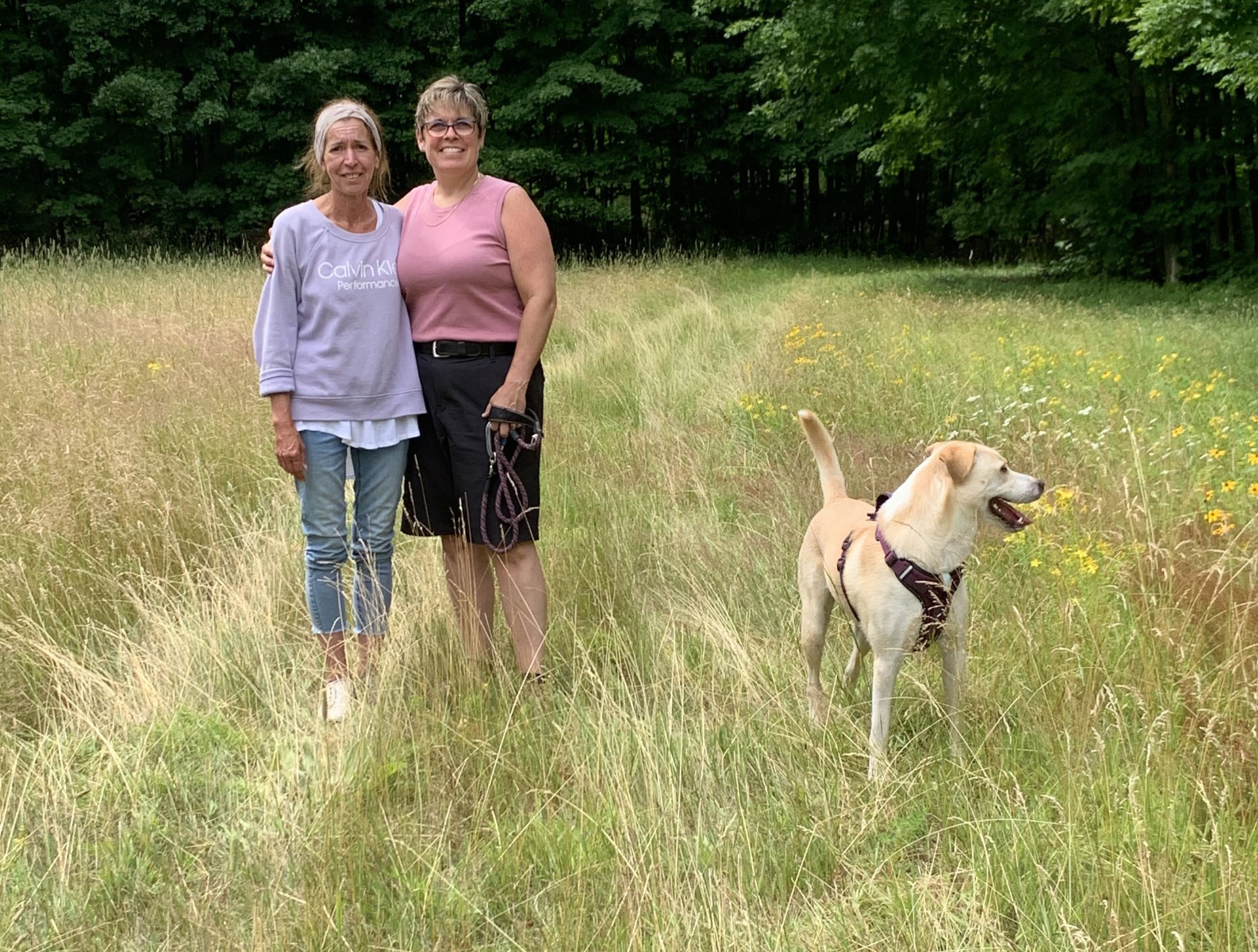
We decided to cut our stay at Shoal Lake a few days short. The weather was a bit nasty, the ticks were a bit nasty and John (aka "The Cranky Trapper") had mentioned that we should try to kayak through the tunnels on Caddy Lake in Whiteshell Provincial Park. Given that we weren't going to get the kayaks out on Shoal Lake and the fact that we were intrigued by seeing the tunnels we decided to move to a campground in Whiteshell Provincial Park. The only site available was one in West Hawk Lake, only about 10 minutes from Caddy Lake. So, we packed up the crew and pushed on further east.
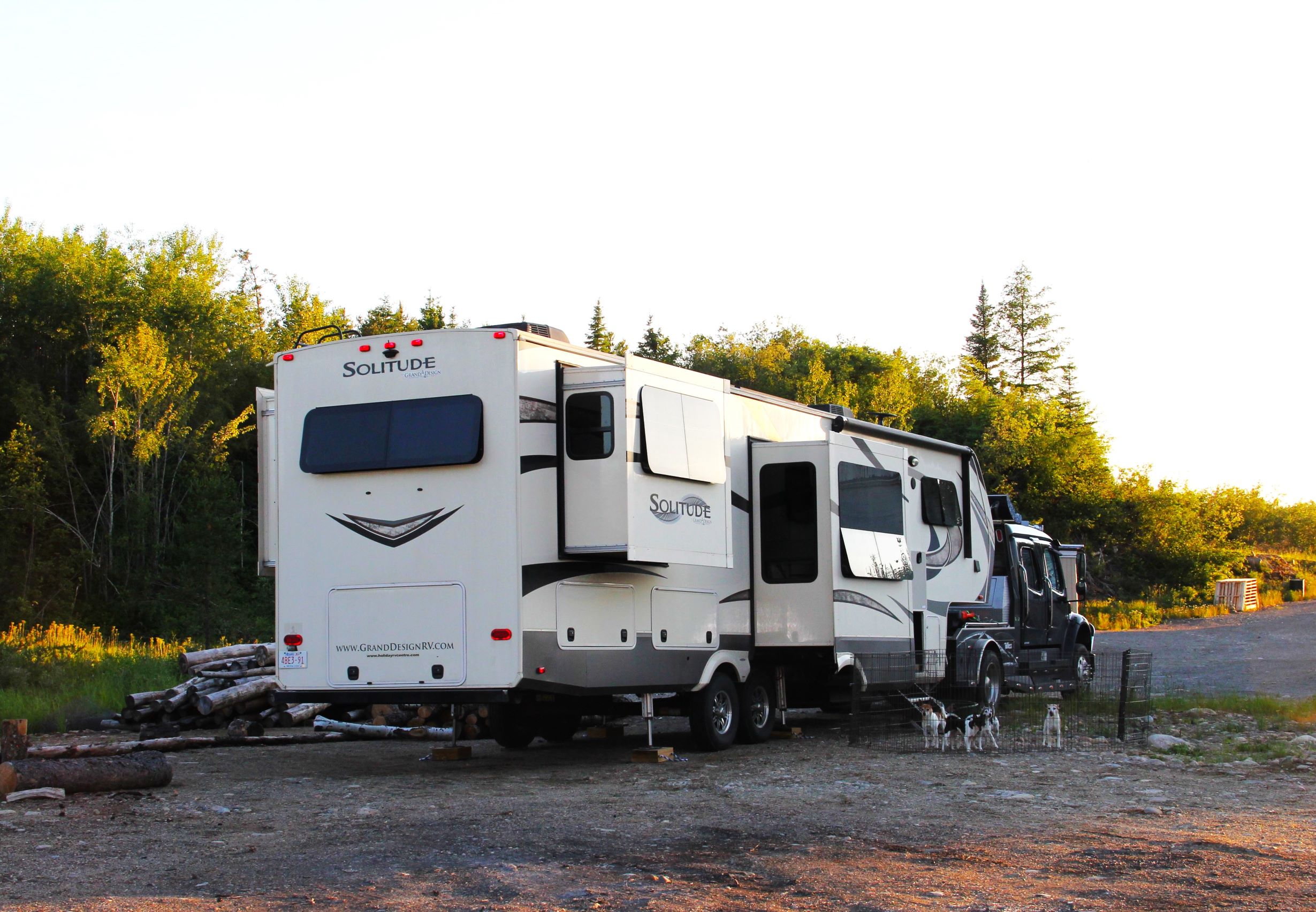
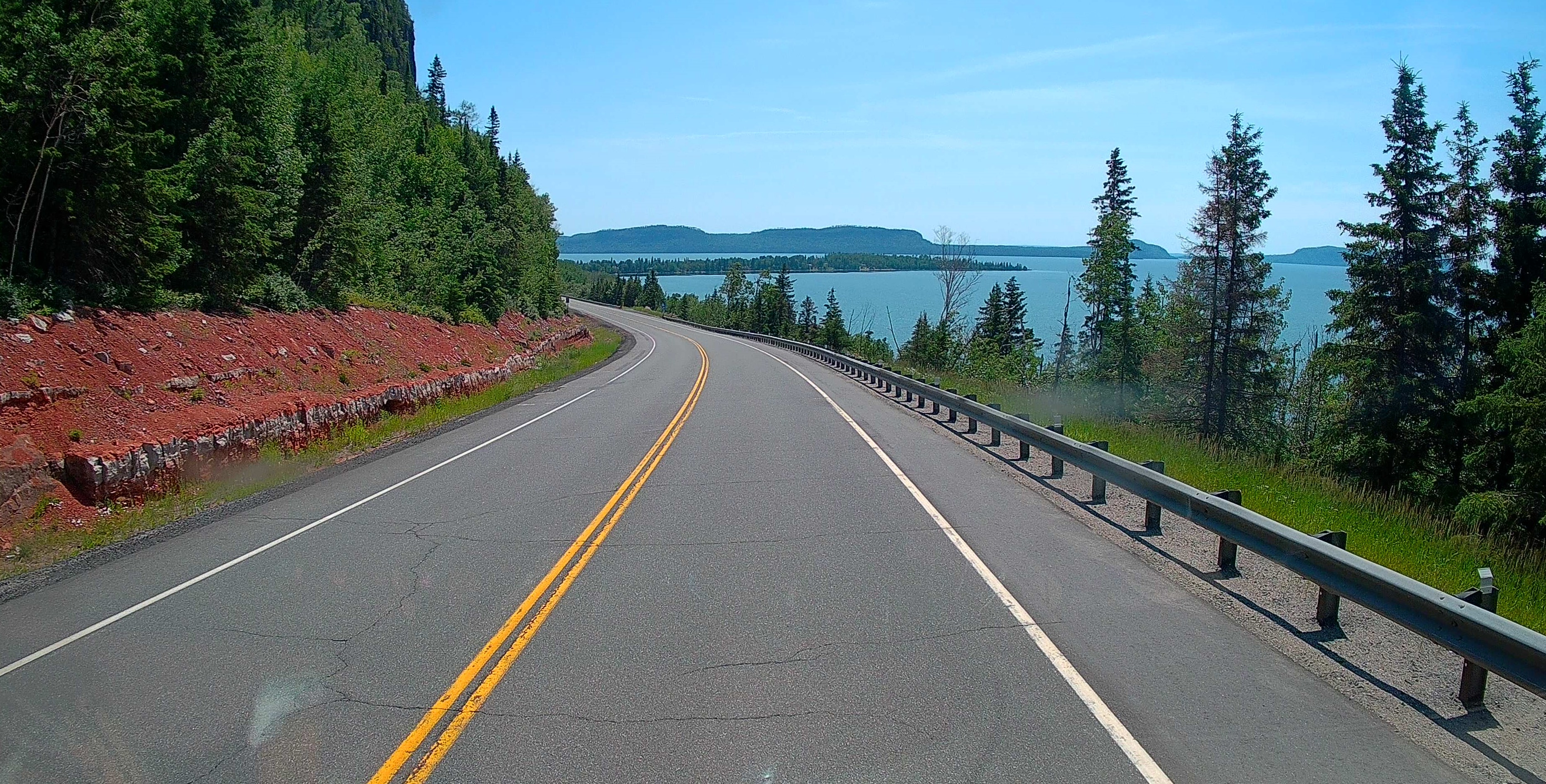
 The drive from Shoal Lake to West Hawk Lake took about 5 hours through a much more diverse area of Manitoba. There were more and more trees, rolling hills and lakes. It was a change from the miles and miles of flat prairie and cultivated land to a much more wild and rugged landscape. We pulled up to our campsite at the very far end of the campground and, to our delight, we had no neighbors. We went about setting up the dogs and our trailer amid a cloud of mosquitos, and I'm pretty sure every single one of them was starving! We began to understand why, when we went into an RV dealership in Virden, Manitoba, they we promoting different types of mosquito repellents. Again we made a mental note to remove Manitoba from the list of possible places to settle.
We hunkered down in the safety of the trailer and began to research the tunnels of Caddy Lake. Due to the excessive rains there was some information that the tunnels may be closed due to high water on the lake. The next day I inquired about this at the registration office and the answer was, yes, because of high water the current in the tunnels was too high and they were off limits. She then added that if one was to go there and get themselves into trouble no one would be able to save them. Decision made, no tunnels of Caddy Lake for us.
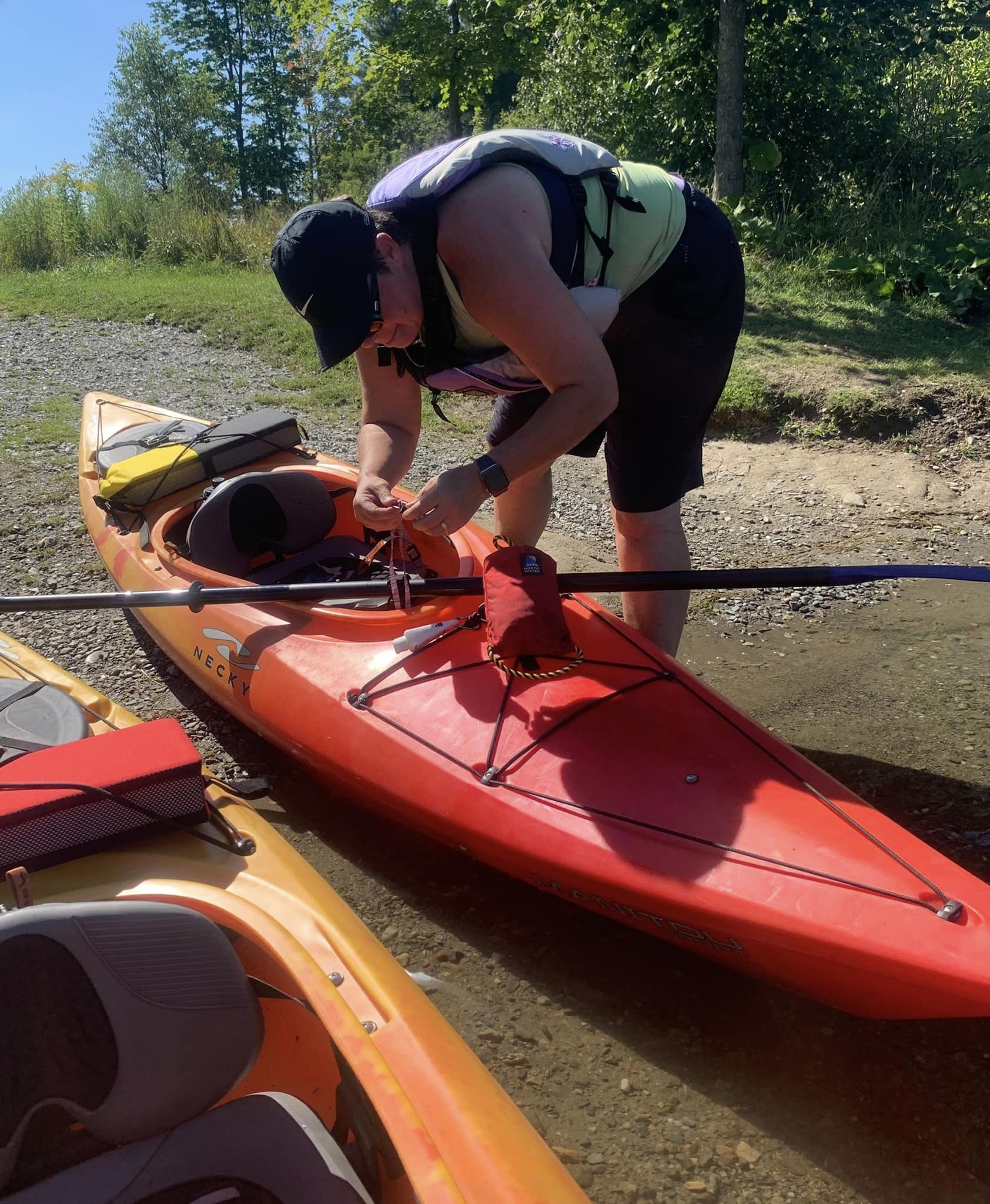
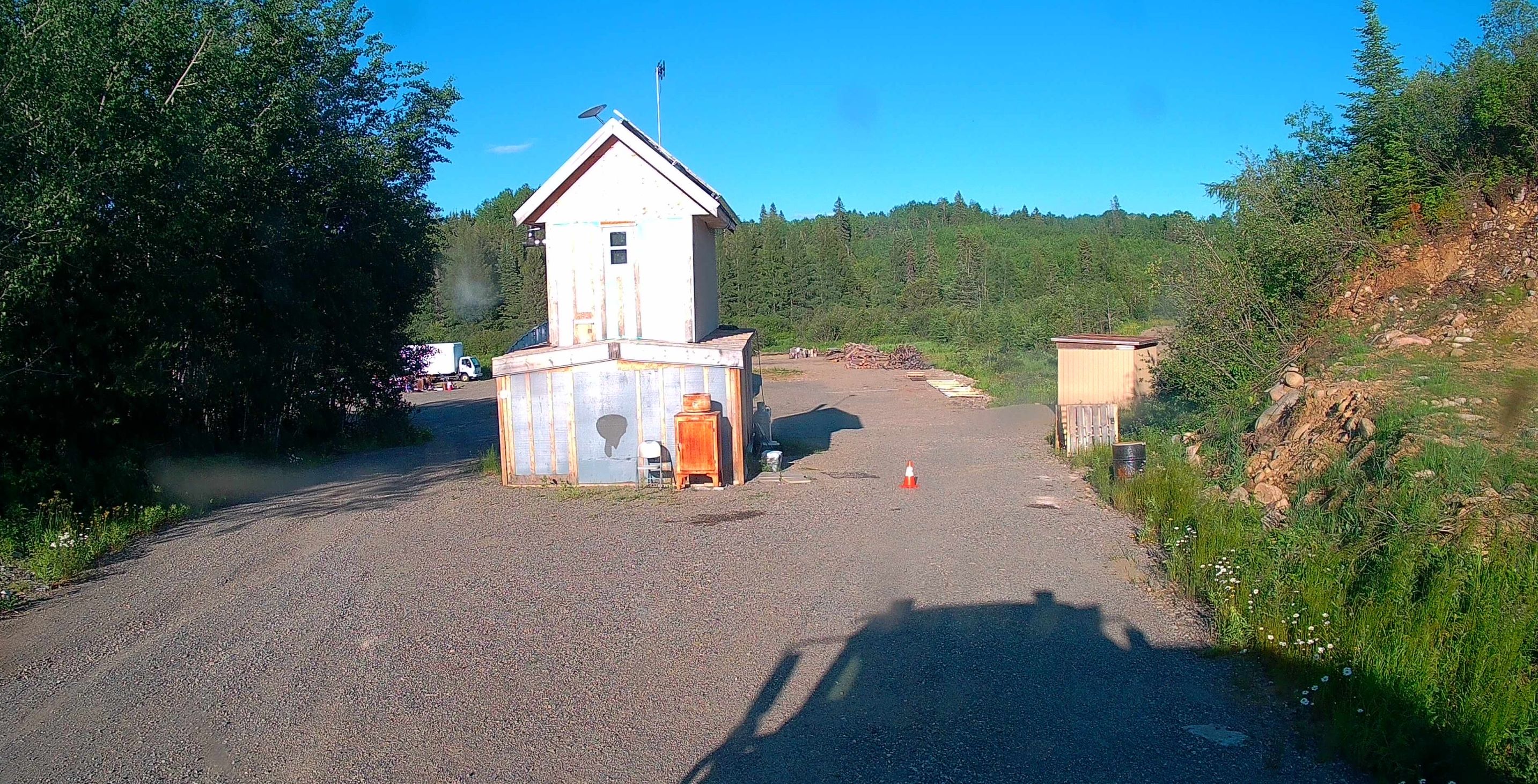
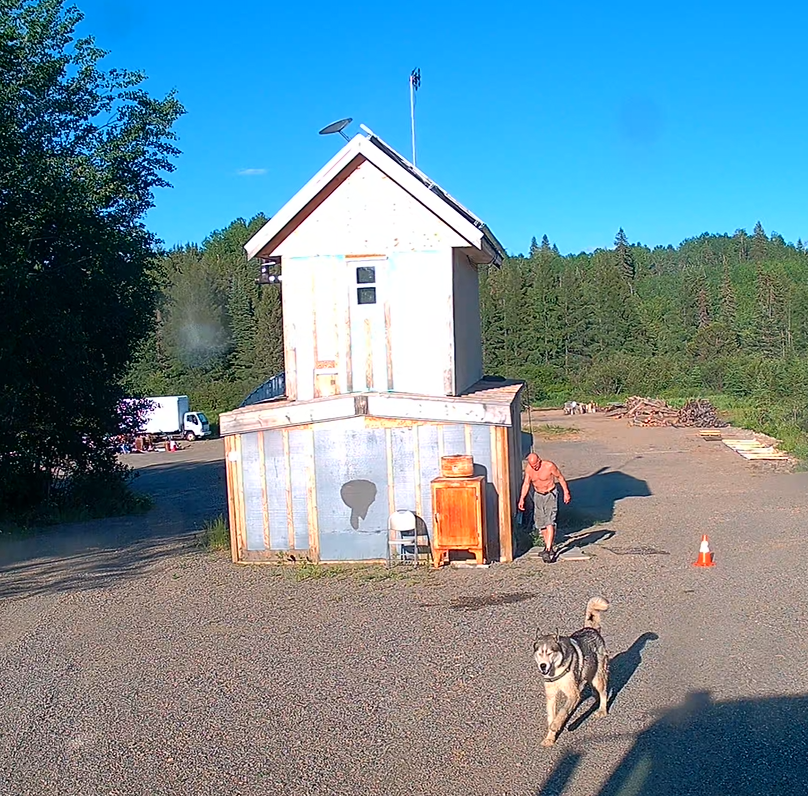
So, in light of the fact that we had booked the campsite for three nights and we were not going to be kayaking, we decided to take a drive in to Kenora, Ontario to buy some groceries, dog food, treats, etc. and we would put our boats in West Hawk Lake the following day. It was a sunny day and, because we were leaving the dogs behind, we checked the thermostat to ensure it was connected to our Wi-Fi so we could regulate the temperature in the trailer, checked the cameras to make sure they were working and set the air conditioning to a comfortable temperature for the dogs before we headed out. We knew, from our experience in Souris, MB that our solar system could sustain the air conditioning for at least three or four hours without making much of a dent in the battery power. What we failed to take into account was that the weather in Souris had been sunny and bright. While we were in Kenora the weather turned overcast with rain. We continued to check on the temperature and the cameras and all was well . . . or so it seemed. As we headed out of Kenora and back to the campsite 40 minutes away Julie, once again, checked the cameras only to find that they were offline. They do that sometimes and typically will come back on line in a few minutes. However, this time they weren't coming back on. When we arrived back at the trailer we understood why. The entire power system had shut down. The solar system has a defense mechanism built into it in which it will shut down the system if the batteries are drained down to a certain level. The problem with this is that should the batteries be drained much further they will "go to sleep". We had been warned by the electrician that we don't ever want this to happen as it is very difficult to wake them up again and requires a certain "expertise".
We were in a dry camp with no services so we hauled out our generator and plugged the trailer into it, hoping that the batteries hadn't gone to sleep and that we could get a bit of a charge on them before we would have to turn the generator off for the night. In order to charge the batteries there has to be enough juice left to turn on the inverter. Fortunately there was still enough, the inverter turned on and we were able to get a bit of a charge into the batteries and then unplugged everything (inside and out) before going to bed.
When we got up in the morning we had NO power AT ALL and the inverter wouldn't power on. Overnight there had been enough passive draw from things such as the display on the fridge, the power on the recliners, clock on the microwave, etc. that the batteries had been drawn down to their critical level and the built in Battery Management System (BMS) had kicked in and put the batteries to sleep. Now not only did the inverter shut the system down but the batteries themselves had shut down. This was our worst fear and meant that we were now, essentially, dead in the water. I tried resetting the system, then resetting again (and again) to no avail. Without power we weren't able to bring our slides in or even hook up the trailer to the truck as the hydraulics wouldn't work. As we had to leave the following morning we were in a bit of a pickle. We called a local solar system company only to be told that they couldn't help us and the only google advise was to try and jumpstart the batteries using a lithium battery jumpstarter. Who carries a lithium battery jumpstarter?? (incidentally, we carry one now). I was able to search one out and find one in Canadian Tire in Kenora so off I went, back to Kenora. In the meantime Julie was waiting for a return phone call from our electrician in Calgary who we were hoping might have some words of wisdom for us.
Shortly after I purchased the best lithium battery jumpstarter and was on my way back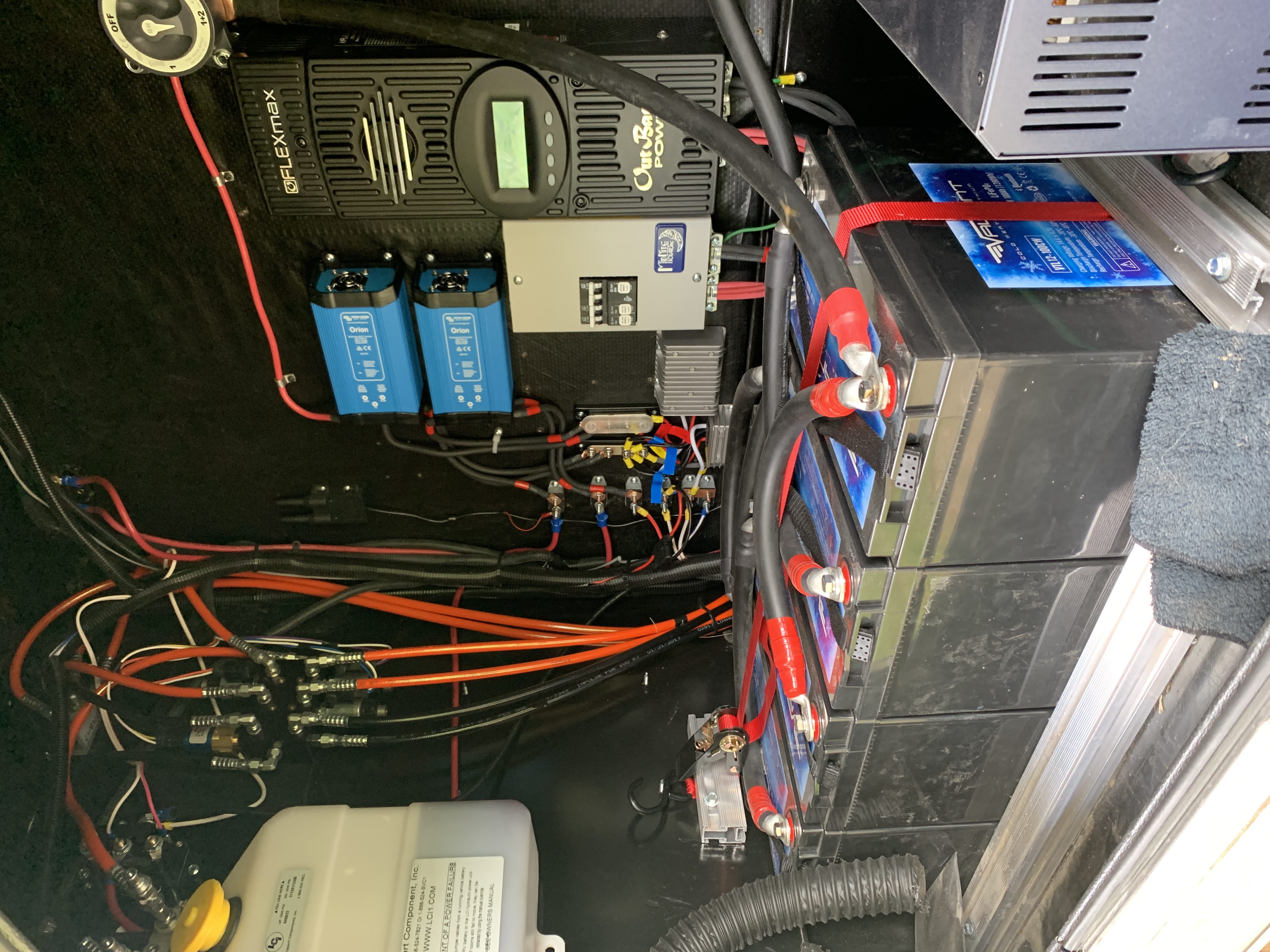 to our campsite Julie called and said she had spoken to David, the electrician. His words of wisdom for her were that we could not jumpstart the batteries as this would void the warranty and they needed to go back to a Valiant Battery dealer to be woken up and charged SLOWLY over a day or two. One such dealer was in Winnipeg (2 hours from us) or one in Thunder Bay (6 hours from us). . . not helpful and not the words of wisdom we were hoping for. Julie asked if there was some way of getting power to the system so we could at least get our slides in and hook up the trailer so that we could get ourselves and our sleeping batteries to Winnipeg or Thunder Bay. David said there was, but this meant purchasing two deep cycle 12V batteries somewhere then calling him again and he would walk us through how to disconnect the sleepy batteries and connect the replacements. It wouldn't be ideal but would get us out of the campground. As fate would have it, I just happened to be driving by a marine supply store, pulled in and purchased two deep cycle batteries.
I arrived back at the campground and unloaded the batteries. We put a call in to the electrician and then waited for him to call back so we could start tearing apart the system. While we were waiting, in one last ditch attempt I turned the cutoff dial to off and then back to on again. To my surprise the system woke up!! Power came back on and the batteries started to charge again! It seems that once the BMS system kicks in it just needs some time (time being hours) to reset itself! WHO KNEW!!! If I had ever doubted that miracles happen this certainly made me a believer! Julie and I both sat wide-eyed in disbelief for a moment, not quite sure what just happened or why, or maybe just to make sure we weren't dreaming, I don't know. We both breathed a huge sigh of relief and then had to decide what to do with the brand new batteries we had. We debated keeping them in the event that this might happen again and then decided that we would never let this happen again and really didn't have the room to store two large batteries anyway. Fortunately the store agreed to take the batteries back and I made one more run back into Kenora. We contacted David to let him know that we were back up and running. His reply was "I'm not sure what happened exactly . . . I guess the battery BMS did it's job properly but took a while to reset". (Personally, I think it was a tiny miracle and may have had something to do with a dove that has been following us on our travels. We hear it in every spot we have been . . we believe the tiny dove is actually Julie's mom traveling with us back to Quebec).
We still haven't put our kayaks on the water but the following morning we were able to hook up our trailer and head out, on into Ontario with one more lesson learned.